

Knowledge Centre · Guide · Common site mistakes
9 Common Site Mistakes in Ground Engineering, and What to Do Instead
Common site mistakes rarely show at once; instead, the bill arrives months later as cracks, settlement or collapse. In this guide we describe the nine mistakes we see most often in bored piling, shoring and jet grouting, what they lead to and how to do the work properly.
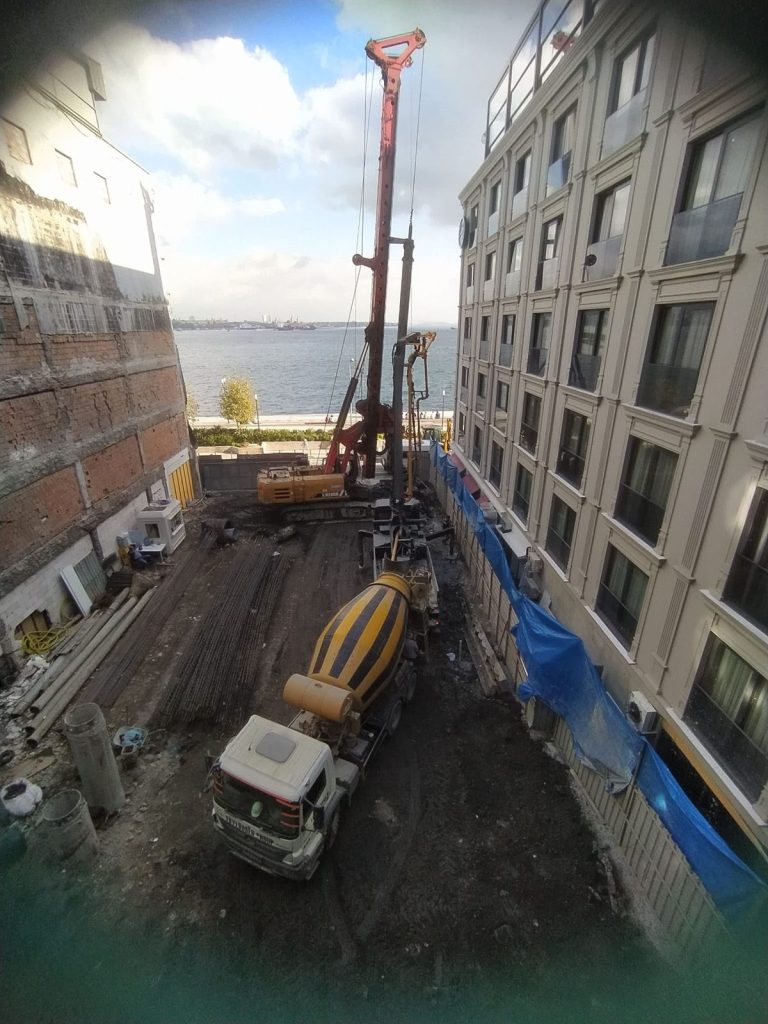
Topic
Site practice and quality
Reading time
About 9 minutes
Written by
Abdullah Çetintaş, Geological Engineer
Updated
November 2026
Related services
Bored piles, anchors, jet grouting
Points
9 mistakes, 9 fixes
Why do common site mistakes cost so much?
Most ground engineering work ends up underground. So when someone makes a mistake, nobody usually notices; it only shows once the structure loads the piles or the excavation goes deeper. At that point, putting it right costs far more than doing it properly the first time.
We compiled the list below from what we have seen on sites since 2006. In addition, each point ends with how we handle it on our own jobs.
Common site mistakes in bored piling
1. Pouring concrete without a tremie pipe
When the bore holds water or bentonite, concrete dropped freely from the top segregates and loses strength. As a result, the pile loses strength and durability. Instead: lower the tremie pipe to the base, keep its tip inside the concrete throughout the pour and pour without stopping.

2. Drilling below the water table without casing or support fluid
In loose ground with groundwater the bore can collapse. The pile section then narrows, or the pile breaks altogether. Instead: use temporary casing, bentonite or polymer support to suit the ground.
3. Concreting without cleaning the base
Loose material left at the base destroys the end bearing of the pile and leads to settlement. Instead: clean and check the base, then lower the cage and pour.
4. Cages with missing links and no spacers
Missing links let the cage lose its shape; without spacers, the steel rests against the bore wall and corrodes. On the coast, moreover, this happens faster. Instead: fit links to the design and spacers along the whole cage.
Common mistakes in shoring and ground anchors
5. Digging deeper before stressing the anchors
If you dig below an anchor row and carry on without stressing it, the wall moves too much. Consequently, adjacent buildings can suffer damage, and the wall can even fail. Instead: excavate in the design stages and never go below a row until its anchors pass stressing and testing.
6. Skipping anchor stressing and acceptance tests
Nobody can know what load an untested anchor carries. Instead: prestress every anchor, carry out the acceptance tests in the design and record the results.
7. Deep excavation with little or no shoring
Opening a deep excavation without shoring risks collapse and loss of life. Adjacent buildings can also suffer direct damage. Instead: commission a shoring design before digging, then build the shoring with the excavation, stage by stage.
We also show the consequences of shoring mistakes in short videos. The footage may be sample material for educational purposes and does not come from our sites.


You can find all our videos on our YouTube and Instagram accounts.
Common mistakes in jet grouting and testing
8. Jet grouting next to adjoining buildings without parameter control
If nobody watches the pressure and the spoil return, pressure builds up in the ground. As a result, the neighbouring building may heave or crack, or grout may leak into its basement. Instead: monitor pressure, rotation and withdrawal speed, stop jetting at once if the return stops and monitor the adjacent building.
9. Loading the structure without testing
Without tests, nobody spots a defective pile or column. Instead: carry out PIT, coring and, where needed, load tests to suit the design. In Karaköy, for example, we had PIT carried out on the piles and cores taken from the jet grout columns.
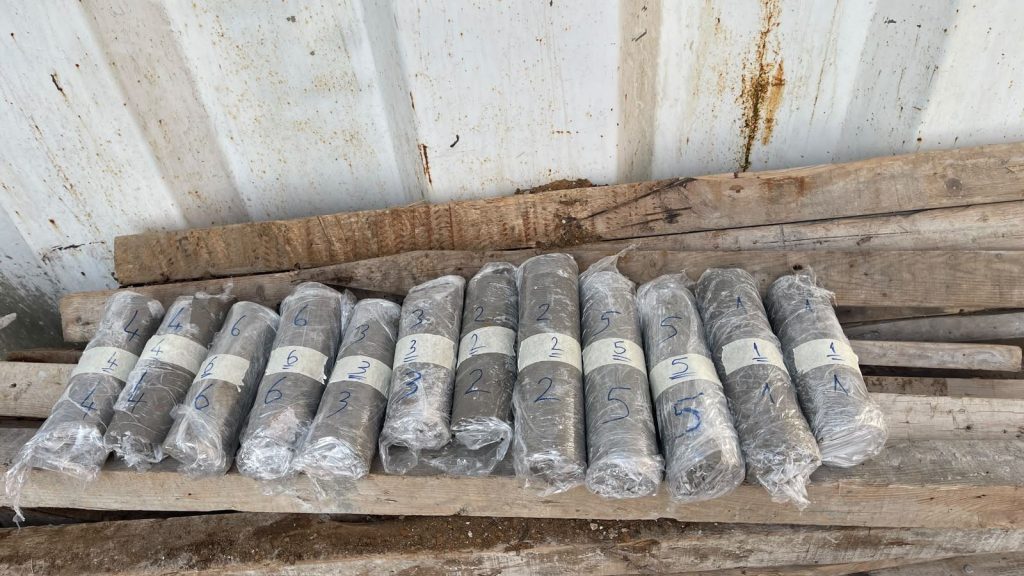
How do we prevent these mistakes?
What these mistakes share is a lack of records and checks. That is why we follow four rules on our own jobs.
- We record the length, materials and test result of every pile, anchor and column.
- We pour every bore that holds water or bentonite through a tremie pipe.
- We never dig deeper until the anchors in the row above are stressed.
- We document the condition of adjacent buildings with photos and a signed record before work starts.
You will find more detail on our bored piles, ground anchors and jet grouting pages.
Frequently asked questions about common site mistakes
We have collected the questions about site quality that we hear most often. However, if yours is not here, call us or write through the quote form.
Quality and control
What should the client check on site?
We suggest at least three things: the record sheet for every pile, the tremie pipe during concreting and the stressing records for anchors. In addition, check that the tests in the design actually take place.
Can we find out later that nobody used a tremie pipe?
It is hard to know for certain. However, PIT and coring can show signs of discontinuity or weak zones in a pile.
What should we do if a crack appears in the building next door?
First, photograph and date the crack and notify the contractor in writing. Then arrange monitoring to see whether the movement continues.
How can a quote reveal these mistakes?
For example, ask if the quote leaves out the tremie pipe, casing, stressing tests or test items. After all, part of a price gap may come from skipping exactly these items.

Talk to us about a job free of common site mistakes
Send us your site investigation and design. That way, we can agree the construction method and the inspection plan together from the start.